Materials & craft
Bamboo as a packaging material: the post-plastic buyer case
Bamboo trays, fibre pulp packaging, bamboo-based films — Vietnam's case for replacing single-use plastic.
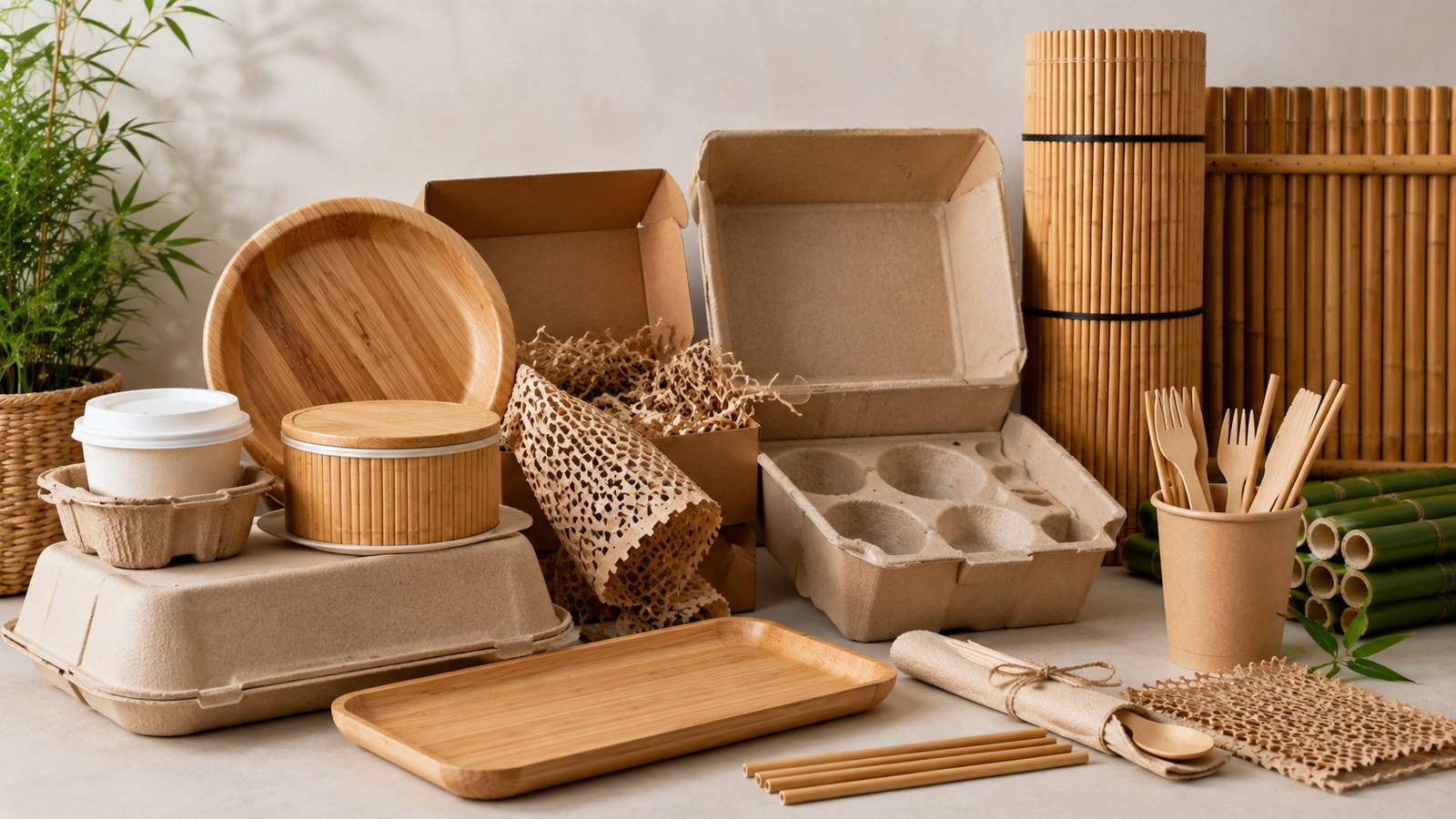
EU SUP (Single-Use Plastics) directive, plastic packaging tax in the UK, ESG procurement targets at major brands — the regulatory and corporate pressure on plastic packaging is real and accelerating. Bamboo is one of the few materials with the cost structure and supply scale to actually replace it. Vietnam is a leading supply origin. Bamboo fibre pulp packaging. Made from bamboo pulp (similar process to paper), moulded into trays, plates, bowls, takeaway containers. Heat-resistant to 120°C, microwave-safe (depending on grade), industrial-compostable. Replaces foam and PET food packaging. - Pricing: USD 0.045–0.080 per piece for standard takeaway clamshells, FOB Vietnam. - MOQ: 100,000 pieces per SKU typical. - Certifications: BPI, OK Compost, FDA food-contact common for export-oriented mills. Bamboo veneer trays. Thin-sliced bamboo bonded into rigid trays for premium retail packaging — cosmetics, electronics, gift sets. Higher cost (USD 0.50–2.50 per tray) but premium positioning material. Bamboo wraps and films. Emerging category. Bamboo cellulose-based bio-films for food wrap. Still niche, limited commercial scale, but Vietnamese pilot mills exist. Bamboo straws, cutlery, stirrers. Mature product category. USD 0.012–0.030 per straw, USD 0.04–0.12 per cutlery piece. Bulk OEM and private label both available. Bamboo-based corrugated. Mixed bamboo-pulp / wood-pulp corrugated for shipping cartons. Lower carbon footprint per unit than virgin wood-pulp corrugated. Still emerging. Compliance pathways. For EU buyers: EN 13432 industrial compostable certification is the standard. For US buyers: BPI or ASTM D6400/D6868. For UK: PAS 100 may apply for compostability claims. Lifecycle reality. Bamboo packaging is not zero-impact. Pulping requires water and energy. End-of-life requires industrial composting infrastructure that doesn't exist everywhere. Buyers should be honest in marketing claims and avoid greenwash. The structural advantage. Vietnam's bamboo supply is renewable on a 3–5 year cycle, FSC-certifiable, geographically concentrated near processing capacity, and competitively priced vs Chinese alternatives. For a brand committing to plastic phase-out by 2027–2030, Vietnam belongs on the supplier shortlist.