Market insights
Why Vietnam wins the China+1 sourcing shift
Tariffs, FTAs, infrastructure, and geopolitics — the four reasons Vietnam is the default 'China+1' choice for 2026 buyers.
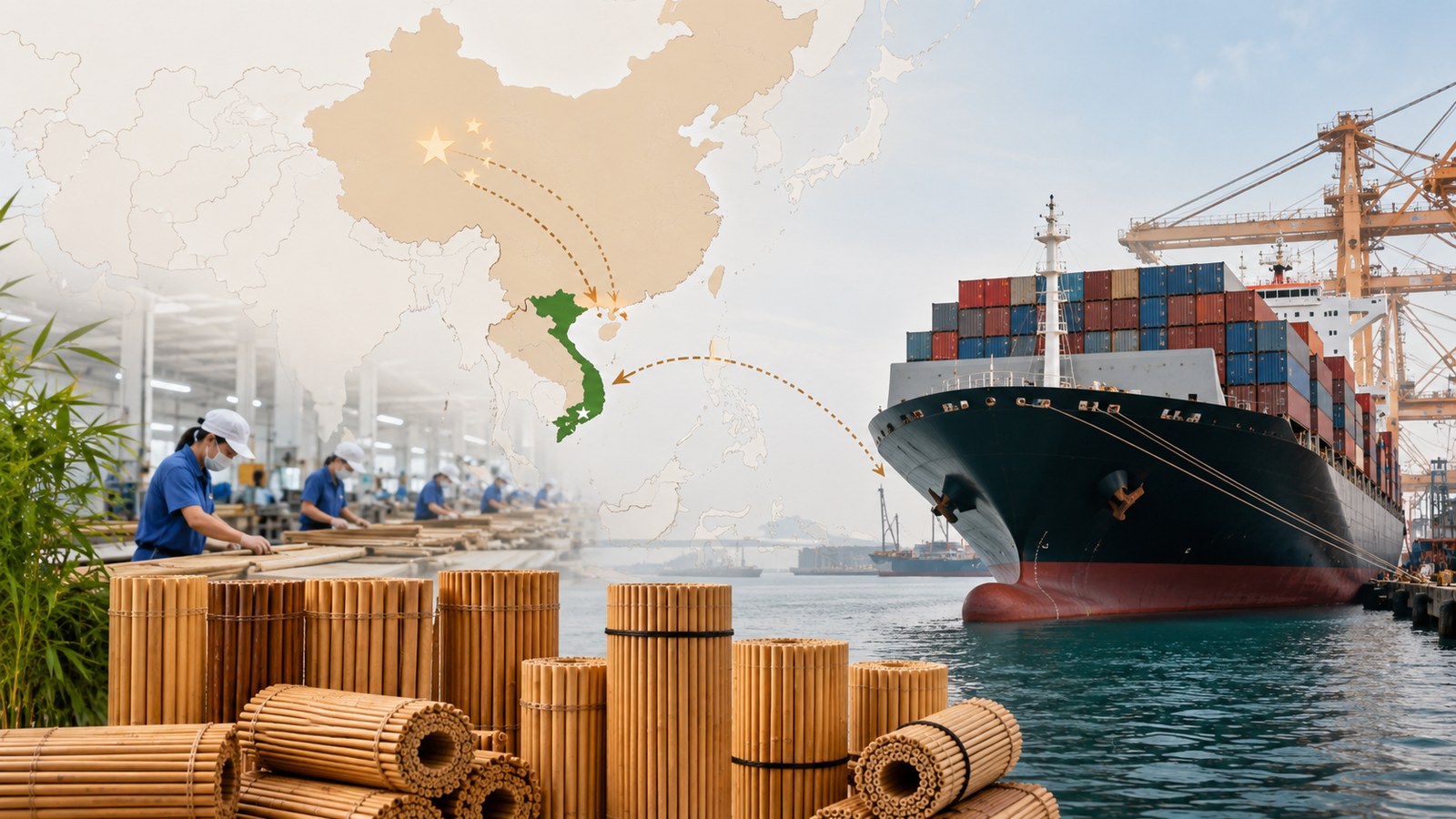
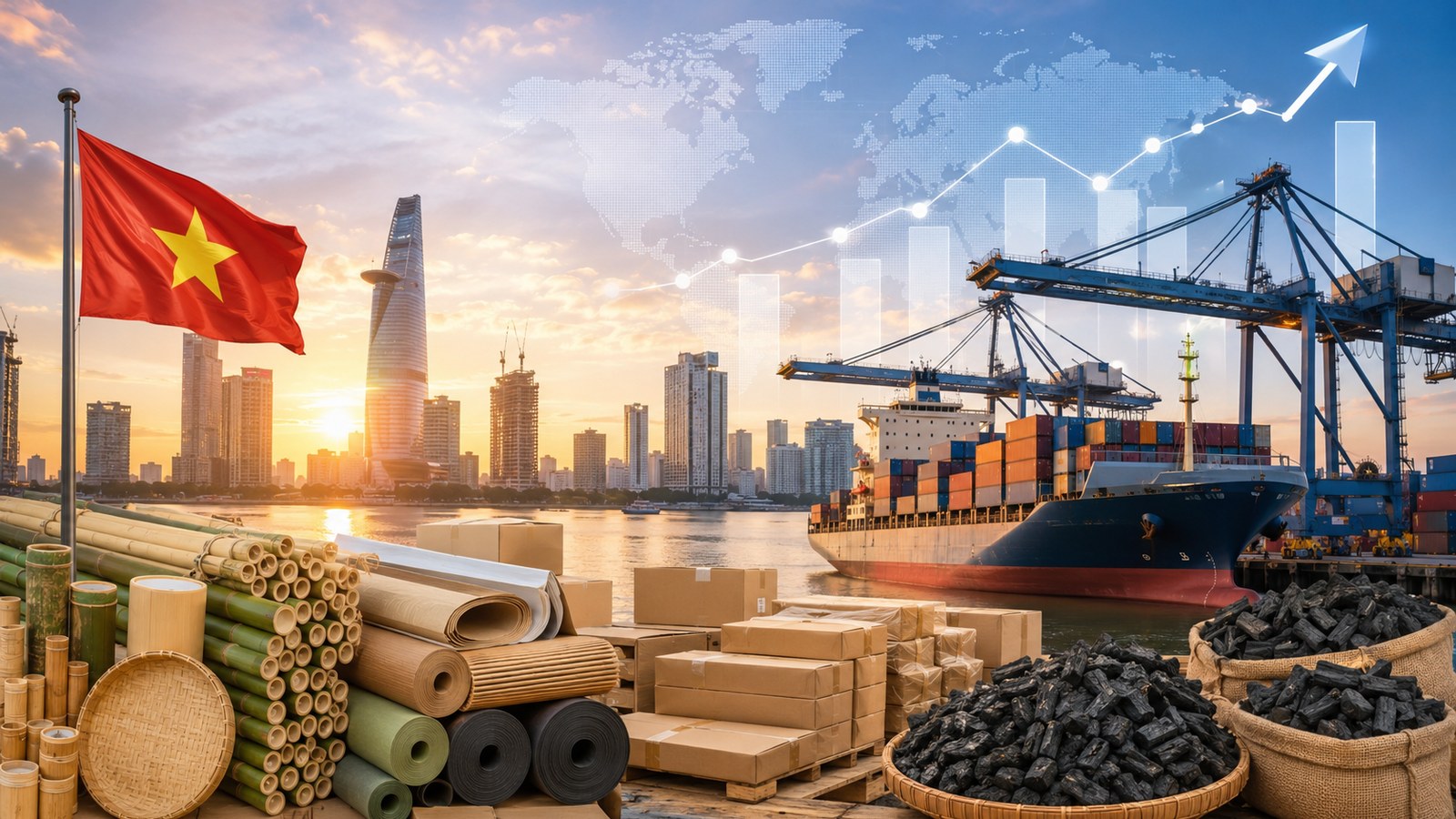
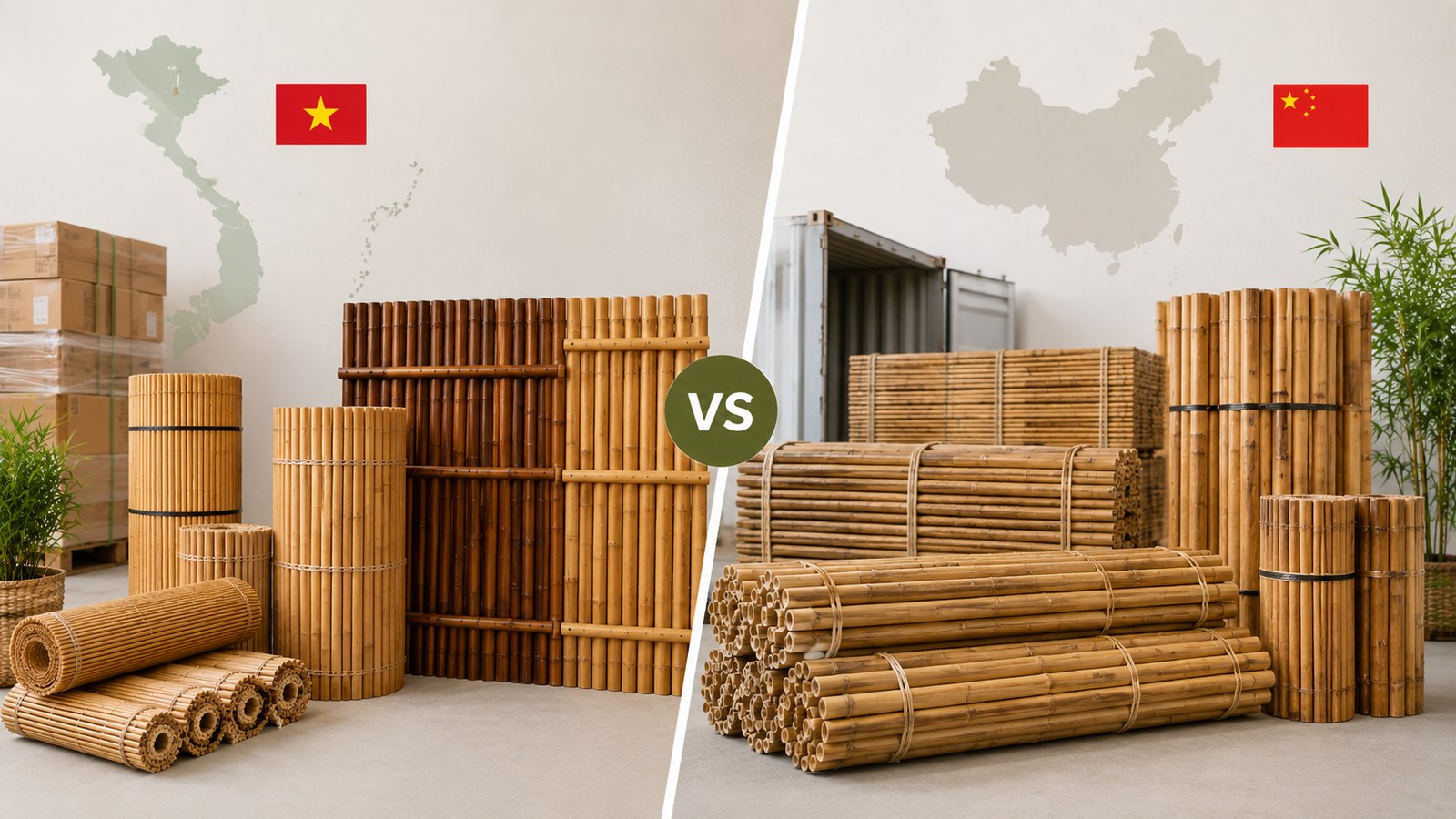
When buyers say "China+1" today, in 2026, they overwhelmingly mean Vietnam. Mexico, India, Indonesia, and Bangladesh all share the wave — but Vietnam's combination of geographic, political, and trade advantages is hard to match. Here is why. Geographic continuity. Vietnam shares a 1,300 km land border with China. Many Tier-2 components still flow south by truck, which preserves cost and lead-time discipline that India or Mexico cannot match for China-adjacent supply. FTA stack. Vietnam is signatory to EVFTA (EU), CPTPP (incl. UK, Canada, Japan, AU), RCEP (15-country Asia-Pacific bloc), UKVFTA, and bilateral FTAs with Korea, the EAEU, and Chile. The combined preferential market access exceeds any other emerging-market manufacturing hub. Tariff insulation. US Section 301 tariffs hit Chinese imports heavily; equivalent goods from Vietnam often clear at MFN rates. EU CBAM is staged but Vietnam-origin lower-carbon production has a structural compliance edge over Chinese coal-grid production. Infrastructure. Hai Phong port has expanded 3× since 2018. Cai Mep deep-water terminal handles 14,000 TEU vessels. Internal road and rail logistics are markedly improved post-2020 government investment. Power supply remains a constraint in some industrial zones — verify before locking in heavy-load manufacturing. Labour cost and skill. Vietnam labour cost runs 50–70% of equivalent Chinese coastal cities. Skill density in textiles, electronics assembly, furniture, and food processing is now world-class. Bamboo, rattan, and craft heritage skills remain largely uncopied. What Vietnam still lacks. Heavy machinery and chemical inputs are import-dependent. Some industries (precision metals, specialty plastics) lag China by a decade. Buyers should map their bill-of-materials carefully — assume some sub-components will still need to come from China-origin suppliers shipping to Vietnam for final assembly. For most consumer-facing product categories — bamboo, rattan, ceramic, silk, paper, biochar, packaging materials, light textiles — Vietnam in 2026 is not "the second source." It's the first source.